


Heat Transfer Machine
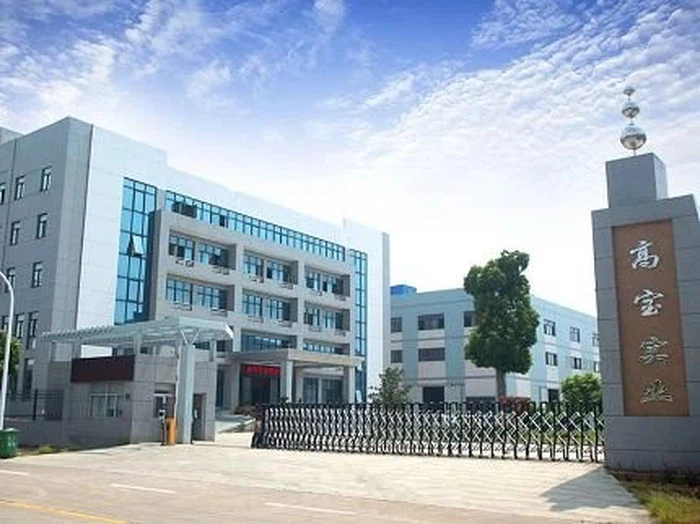
Your Leading Heat Transfer Machine Supplier!
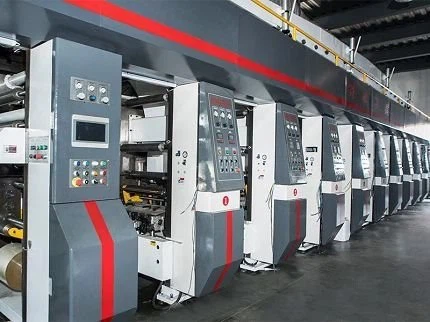
Gaobao printing is a high-quality supplier with more than 20 years of industry experience. The company's main business is heat transfer machines, heat transfer films, and in-mold labels. The products comply with international standards and are mainly exported to Europe, America, Southeast Asia, the Middle East and other countries. At present, the company has 4 high-speed gravure printing machines, with an annual output of more than 10 million square meters of thermal transfer film, and has passed ISO9001 quality management system certification. We have a strict division of labor and professional quality inspection personnel to check every process, so the quality is reliable and stable.
Years Of Production Experience
Technical Staff
Monthly Production Capacity
Prompt Delivery
-
![Taper Buckets Heat Transfer Machine]()
Taper Buckets Heat Transfer Machine
This is an automatic swivel heat transfer printing machine for taper products, like paint buckets, oil pails, flower pots, conical cups, and so on. This machine is most popular in heat transfer
-
![Round Products Heat Transfer Machine]()
Round Products Heat Transfer Machine
This is a tension control heat transfer machine for plastic cups. The tension device can prevent heat transfer film from wrinkle, make printing orientation more precisely, improve printing effect,
-
![Square Products Heat Transfer Machine]()
Square Products Heat Transfer Machine
This type of heat transfer machine is customerized for large flat products, such as storage box, cabinet, beer box, industry dustbin, square pails, etc. The machine is with PLC central control, can
-
![Fully Automatic Heat Transfer Machine]()
Fully Automatic Heat Transfer Machine
Common heat transfer machine needs labor feed products one by one manually, for small products, if use same way to do heat transfer, the printing speed would be very slow. Therefore, we developed
-
![Conical Products Heat Transfer Machine]()
Conical Products Heat Transfer Machine
This is an economic machine for conical products, like cups, small buckets, etc. Though injection products is conical, this machine is with a guide rail to run products, so the machine can feed heat
-
![Round And Flat Products Heat Transfer Machine]()
Round And Flat Products Heat Transfer Machine
This heat transfer machine is specialized for rulers, pencil case, scales, and some other products which require high precision printing. The patent right of tension device is unique.
-
![Fishing Rod Heat Transfer Printing Machine]()
Fishing Rod Heat Transfer Printing Machine
Double tension device makes sure heat tranfer printing film won’t be wrinkle even print on conical long products. Fishing rod diameter is small, but the length is long, and it is conical, so this
-
![Manual Heat Transfer Machine]()
This machine can print big round products with design in die cut (fan shape), printing without distortion.It is a simple machine, easy to operate, cheap, and flexible.
-
![Oval Shape Products Heat Transfer Machine]()
Oval Shape Products Heat Transfer Machine
This is an auto swivel heat transfer machine, it is with multi-function, it can print oval bucket, square buckets, straight buckets, round buckets and conical buckets.
-
![Pail Heat Transfer Machine]()
Gaobao brand hot sale heat transfer machine, specialily for big round products, such as drums, pails, buckets, flower pots, etc. This machine use straight labels. High efficiency, low cost.
-
![Water Gallon Bottles Heat Transfer Machine]()
Water Gallon Bottles Heat Transfer Machine
This heat transfer machine is specialized for rulers, pencil case, scles, and some other products which require high precision printing. The patent right of tension device is unique.
-
![Customerized Heat Transfer Machine]()
Customerized Heat Transfer Machine
Heat transfer printing it is easy to operate, it can print colorful designs fast and with low cost. Different shape products can use heat transfer printing, flat, round, conical, oval, square, all


A heat transfer machine, also known as a heat press machine, is a device used to transfer designs, graphics, or images onto various surfaces using heat and pressure. It is commonly used in the printing industry for applying designs on fabrics, such as t-shirts, hats, and bags.
The heat transfer process involves placing a transfer paper with the desired design on the surface of the material to be printed. The machine then applies heat and pressure, causing the ink on the transfer paper to transfer and bond with the material, creating a permanent image.
Features Of Heat Transfer Machine
Here are some common features of heat transfer machines:
Temperature Control
Heat transfer machines typically have digital temperature controls that allow you to set and adjust the temperature according to the specific material being printed.
Pressure Adjustment
The pressure of the machine can also be adjusted to ensure accurate transfers and prevent distortions or smudging.
Timer
A timer is usually included in the machine, allowing you to set the amount of time needed for the transfer process.
Safety Features
Many heat transfer machines have safety features such as automatic shut-off or alarms to prevent overheating and avoid accidents.
Versatility
Heat transfer machines can be used to print on a wide range of materials, including fabrics, ceramics, metals, and plastics.
Size And Design
The size and design of heat transfer machines vary depending on the intended use and production volume. Some machines are compact and portable, while others are larger and more complex for industrial-level printing.
Advantages OF Heat Transfer Machine
Here are some advantages of using a heat transfer machine:
1.Customization: Heat transfer machines allow for easy customization of designs and graphics on a variety of surfaces, including fabrics, ceramics, metals, and plastics.
2.High-quality Prints: The heat transfer process produces high-quality, vibrant prints that are durable and long-lasting.
3.Cost-effective: Heat transfer machines are generally more cost-effective than other printing methods, especially for small-scale or one-off print projects.
4.Easy To Use: Heat transfer machines are relatively easy to operate, with simple controls and a straightforward process that requires minimal training.
5.Versatility: Heat transfer machines can be used for a wide range of applications, from printing t-shirts and hats to creating custom promotional items and personalized gifts.
6.Fast Printing Speed: Heat transfer machines can produce prints quickly and efficiently, making them ideal for high-volume production runs.
Common Types OF Heat Transfer Machine
Here are some common types of heat transfer machines:
Clamshell Heat Press
This type of machine has a top and bottom plate that open and close like a clamshell. The material to be printed is placed on the bottom plate, and the top plate is lowered onto it for printing.
01
Swing-away Heat Press
This type of machine has a swing-away design, with the top plate swinging to the side for easy access to the lower plate. It is often preferred for thicker materials or when precise positioning of the material is required.
02
Multi-functional Heat Press
This type of machine can perform multiple functions, such as transfer printing, sublimation printing, and vinyl cutting. It is useful for businesses that need to perform different printing techniques.
03
Large Format Heat Press
This type of machine is designed for large-scale printing on fabrics, such as banners, flags, and tablecloths. It has a larger printing area and can handle thicker materials.
04
3D Vacuum Heat Press
This type of machine is used for printing on irregular-shaped objects, such as mugs, phone cases, and keychains. The object is placed in a vacuum chamber, and the transfer paper is wrapped around it before being heated and pressed.
05
Application OF Heat Transfer Machine
Heat transfer machines have various applications in different industries. Here are some common applications of heat transfer machines:
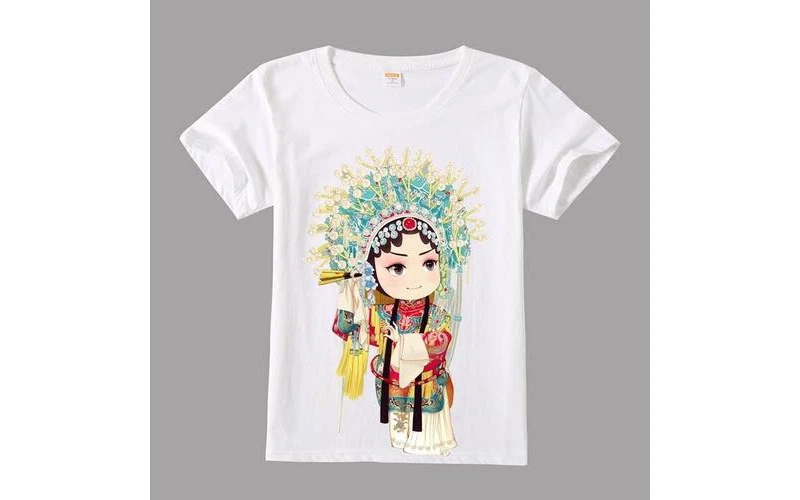
Apparel Printing: Heat transfer machines are extensively used in the garment and textile industry for printing designs, logos, and graphics on various types of fabrics, including t-shirts, sweatshirts, hats, and jerseys.
Promotional Products: Heat transfer machines are used to create customized promotional products such as bags, mugs, keychains, and mousepads. These products can be used for marketing campaigns, giveaways, or corporate branding.
Sublimation Printing: Heat transfer machines are commonly used for sublimation printing, a process where ink is transferred onto polyester-based materials. It is widely used for producing vibrant and durable prints on items like sports jerseys, banners, and personalized gifts.
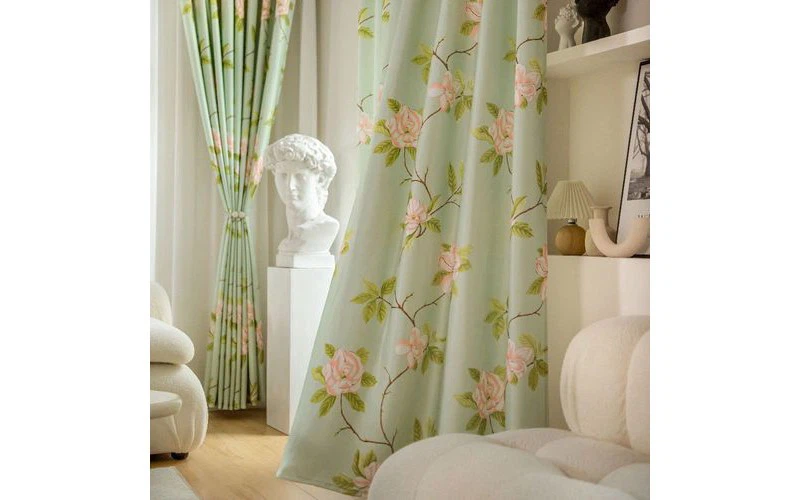
Home Decor: Heat transfer machines are employed in the production of home decor items, including printed cushions, curtains, tablecloths, and wall hangings. They allow individuals to create personalized and unique designs for their living spaces.
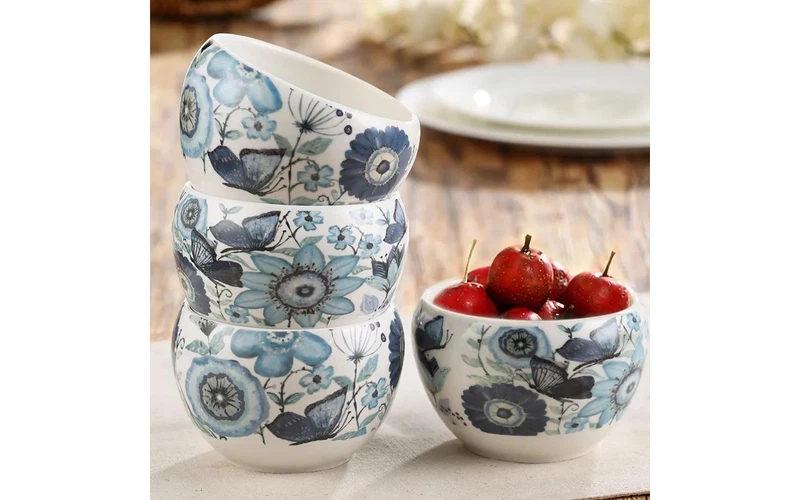
Signage And Banners: Heat transfer machines are utilized for creating signage and banners for advertising purposes. Large format heat presses are often used for printing on vinyl or fabric materials used in outdoor signs, billboards, and event banners.
Industrial Applications: Heat transfer machines also find applications in industries such as ceramics, electronics, and automotive. They are used for applying labels, logos, and markings on ceramic tiles, electronic components, and automotive parts.
Material Of Heat Transfer Machine
Heat transfer machines are typically made of high-quality materials that are durable and heat-resistant. Here are some common materials used in the construction of heat transfer machines:
Steel: The frames and plates of heat transfer machines are often made of steel for their strength and durability. Steel is also resistant to warping and bending under high pressure and temperature conditions.
Aluminum: Some heat transfer machines have aluminum plates for their lightweight and heat-conductive properties. Aluminum is also rust-resistant and easy to clean.
Silicone: Heat transfer machines may have silicone pads or covers to prevent scorching or burning of materials during printing. Silicone is a non-toxic, heat-resistant material that can withstand high temperatures without deforming.
Teflon: Teflon sheets are often used as a protective layer between the material being printed and the heating element. Teflon is a non-stick, high-temperature-resistant material that prevents sticking and transfers ink evenly.
Ceramic: Ceramic heating elements are sometimes used in heat transfer machines because of their excellent heat conductivity and durability.
Maintenance Tips For Heat Transfer Machine
Proper maintenance of a heat transfer machine is essential to ensure its longevity and optimal performance. Here are some maintenance tips for a heat transfer machine:
Remove any dust, residue, or ink buildup from the machine's surfaces and plates. Use a soft cloth or sponge with mild detergent or specialized cleaning solutions recommended by the manufacturer.
Periodically inspect and tighten any loose screws or bolts on the machine. Loose components can affect the machine's stability and printing accuracy.
Apply lubricating oil or grease to the moving parts of the machine, such as hinges or sliding mechanisms, to ensure smooth operation. Refer to the manufacturer's instructions for appropriate lubricants and frequency of application.
Regularly check the temperature and pressure settings of the machine to ensure they are within the recommended range for the materials you are printing. Adjust as necessary to avoid overheating or under-pressing.
Keep an eye on the condition of the machine's components, such as heating elements, silicone pads, or Teflon sheets. Replace any worn or damaged parts promptly to maintain consistent and high-quality printing results.
After each use, follow the manufacturer's guidelines for proper shutdown procedures. This may involve cooling down the machine gradually or turning off specific functions in the correct order.
When not in use, store the heat transfer machine in a clean and dry environment to prevent dust accumulation or moisture damage. Cover it with a protective cloth or sheet if necessary.
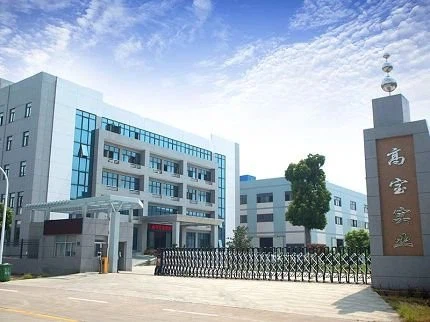
Our Offices And Workshops

FAQ
Q: What is a heat transfer machine?
Q: How do I make my own heat transfers?
(2) Purchase the transfer paper.
(3) Mirror images for light-coloured t shirts.
(4) Print your design.
(5) Cut out the image.
(6) Choose and cover the surface.
(7) Iron on.
(8) Let it cool.
Q: What can you do with a heat press machine?
Q: What are 3 types of heat transfer?
Q: What is the best heat transfer method?
Q: What is the difference between heat transfer and sublimation?
Q: What do you need for a heat press machine?
Q: What is the fastest way to transfer heat?
Q: What material can transfer heat?
Q: Do you need a computer for heat press?
Q: Does a heat press use a lot of electricity?
Q: What are the 5 kind of heat transfer?
• Convection heat transfer.
• Radiation heat transfer.
• Phase changes.
• Heat transfer and thermal engineering.
Q: Is heat transfer high quality?
Q: What is the pressure for a heat press machine?
Q: How does a heat transfer machine work?
Q: What types of materials can be printed with a heat transfer machine?
Q: What is the maximum size of the material that can be printed with a heat transfer machine?
Q: Can heat transfer machines print in full color?
Q: What is the difference between a manual and an automatic heat transfer machine?
Q: How do I choose the right heat transfer machine for my business?
We're professional heat transfer machine manufacturers and suppliers in China, specialized in providing high quality products and service. We warmly welcome you to buy customized heat transfer machine at competitive price from our factory. Contact us for more details.
